What the Hell is the Quetico you ask? I was wondering the same thing the first time my friend Linda asked if I was interested in taking a canoe trip in the Quetico. If you look at a map of northern Minnesota where it borders Canada, about 60 to 70 miles west of Lake Superior you'll see thousands of lakes dot the countryside. This is the Boundary Waters Wilderness. Most Americans act like the world ends at the Canadian border, but if you look at the same lakes on the Canada side of the border, that area is called the Quetico Provincial Park.
Paddling into Quetico feels like slipping through a doorway into an older, quieter world. The park’s vast wilderness—more than a million acres of interconnected lakes and pine-covered ridges—stretches across northwestern Ontario, forming one of the largest roadless canoe areas in North America. Once you push off from the last dock and the hum of civilization fades, the rhythm of the paddle becomes your heartbeat and the only trails ahead are made of water.
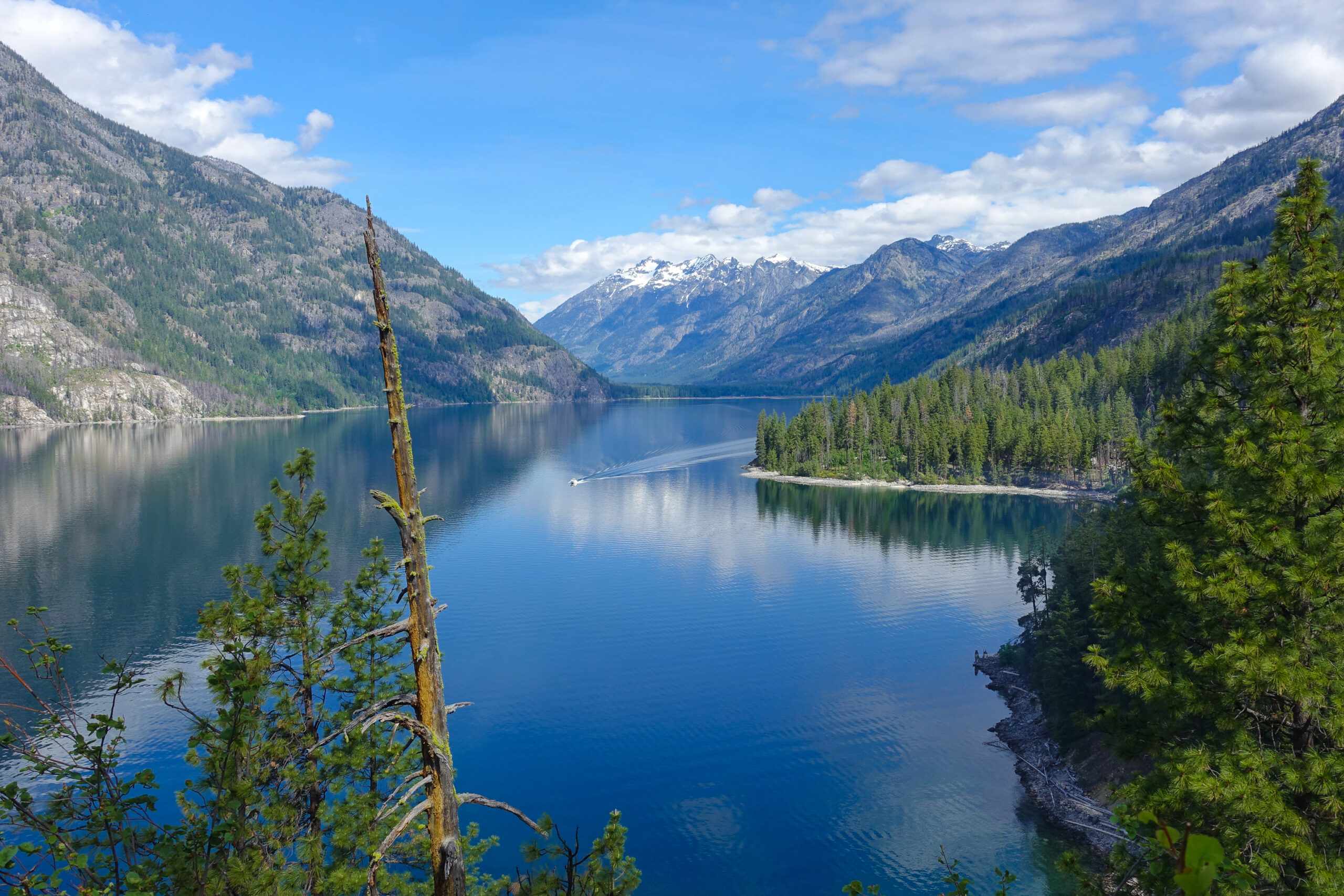
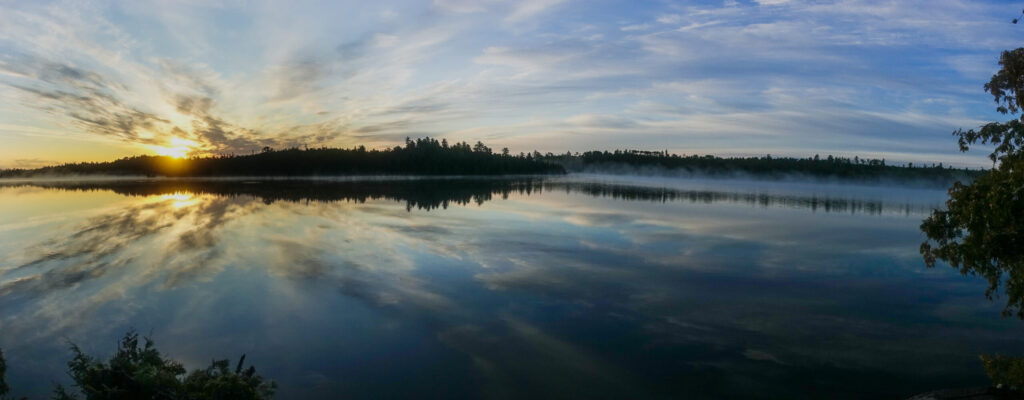
Each lake in Quetico has its own personality: glassy and still at dawn, wind-whipped and wild by afternoon, mist curling from rocky shorelines at sunset. Portages link these waterways like secret passages, carrying you over mossy forest floors where loons echo from the next basin over. Campsites are simple—flat rock, fire ring, and a view that humbles you—but they feel like home after a long day of paddling.
Wildlife moves easily through this country: moose wading in back bays, bald eagles circling high thermals, the splash of a beaver tail breaking evening calm. Nights are deep and star-filled, with northern lights sometimes flickering green across the horizon. The isolation is complete but comforting; it’s the kind of quiet that reminds you how small, and how lucky, you are to be here.
Canoeing in Quetico isn’t about reaching a destination—it’s about surrendering to the rhythm of the water, the pull of the paddle, and the simplicity of moving under your own power through one of the last true wildernesses.
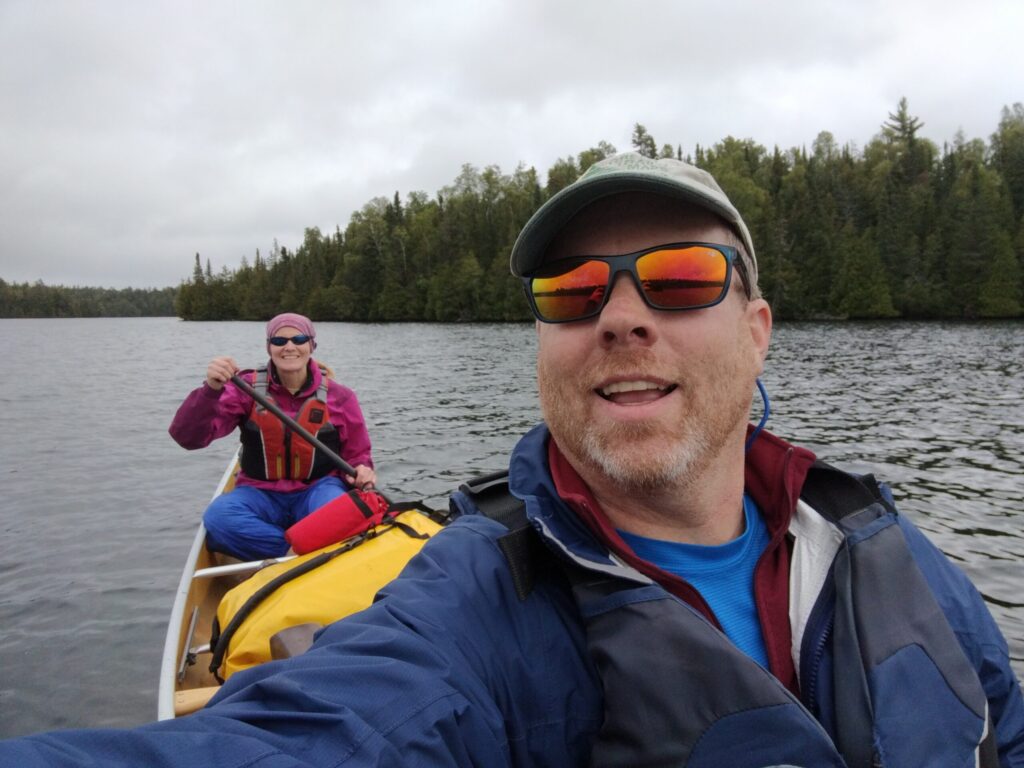
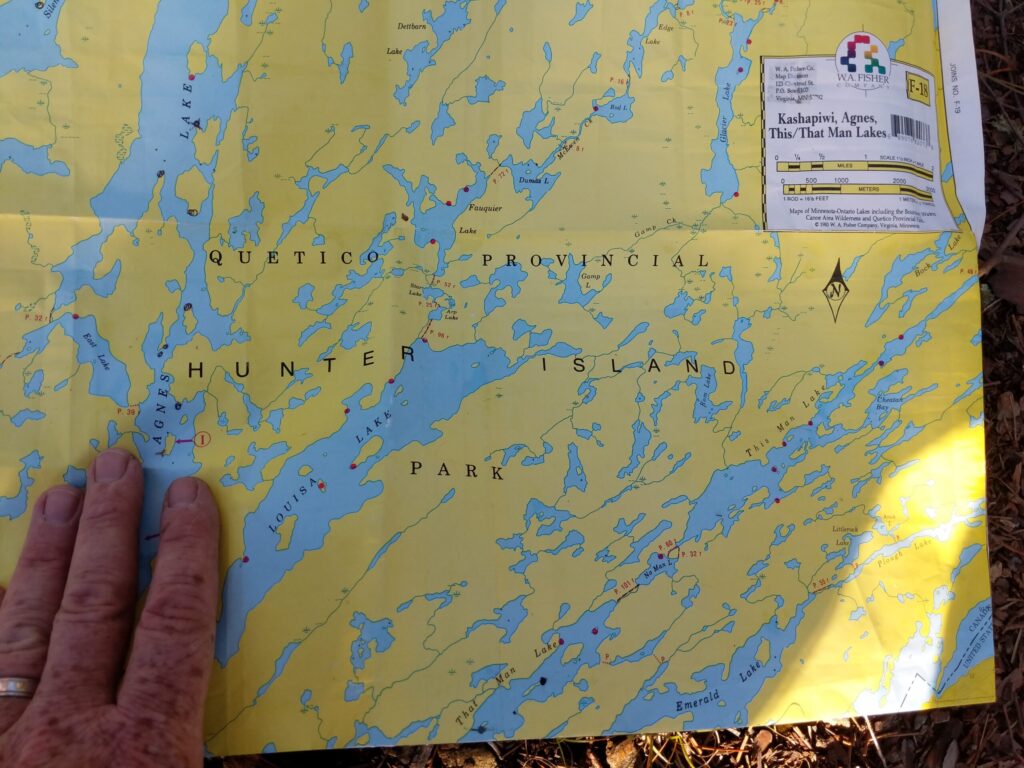
Six of us paddled out from the boat launch at Moose Lake in the Boundary Waters. Our permits were for the Quetico, so we paddled to our first required stop at the US/Canada border crossing at Prairie Portage. After checking in that we were entering Canada, we paddled through Moose Lake, Newfound Lake, Sucker Lake, Birch Lake, and portaged over to Carp Lake where we had camp for the first night.
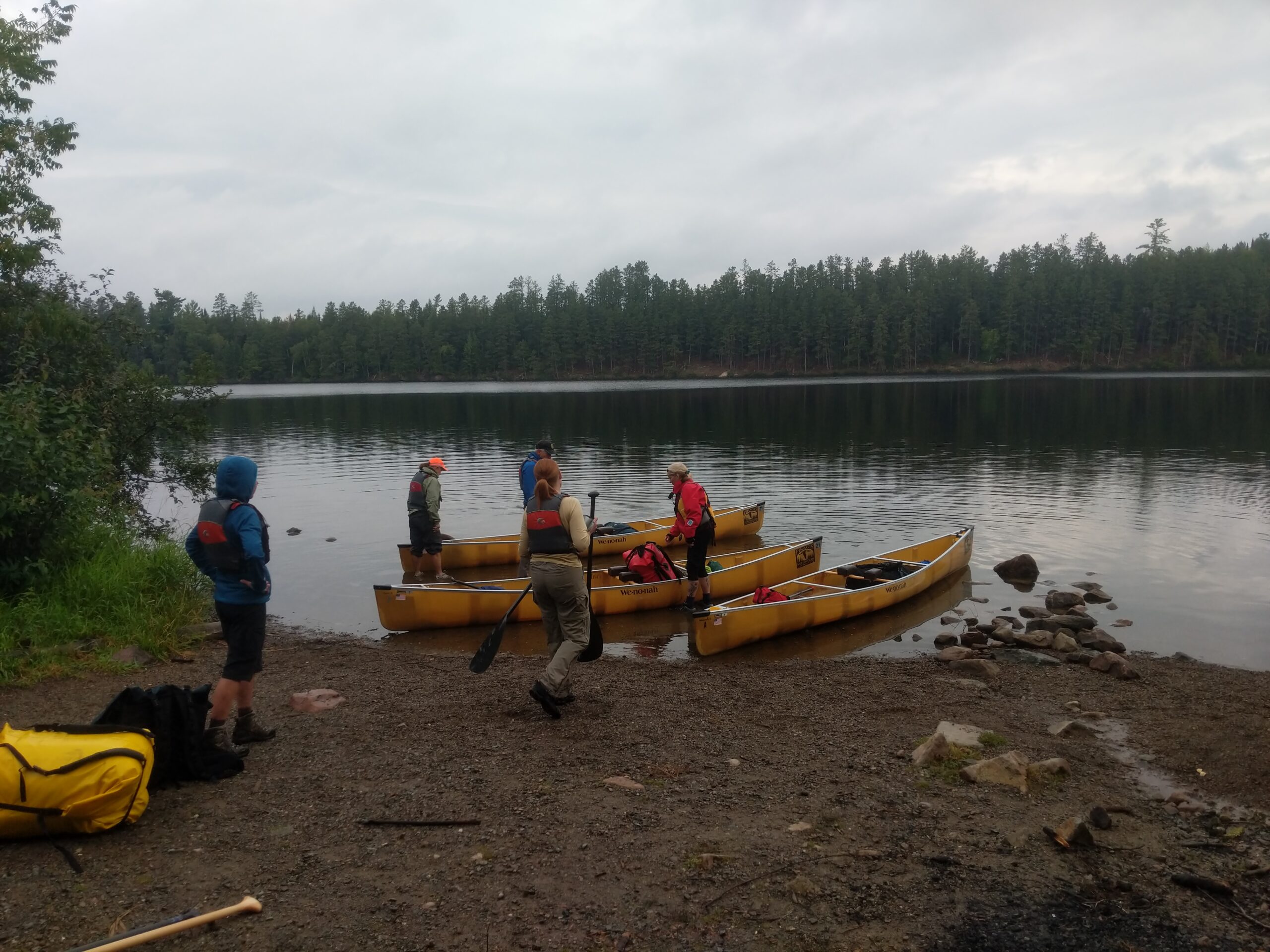
The second day we paddled to our next portage to Sheridan Lake where we paddled to another portage to That Man Lake. We paddled the length of That Man Lake to a another portage to No Man Lake which was a very short paddle to the next short portage to This Man Lake. Are you starting to get the picture? Lots of paddling and portages. We finished paddling the length of This Man Lake to our final portage for the day over to Other Man Lake where we camped our second night.
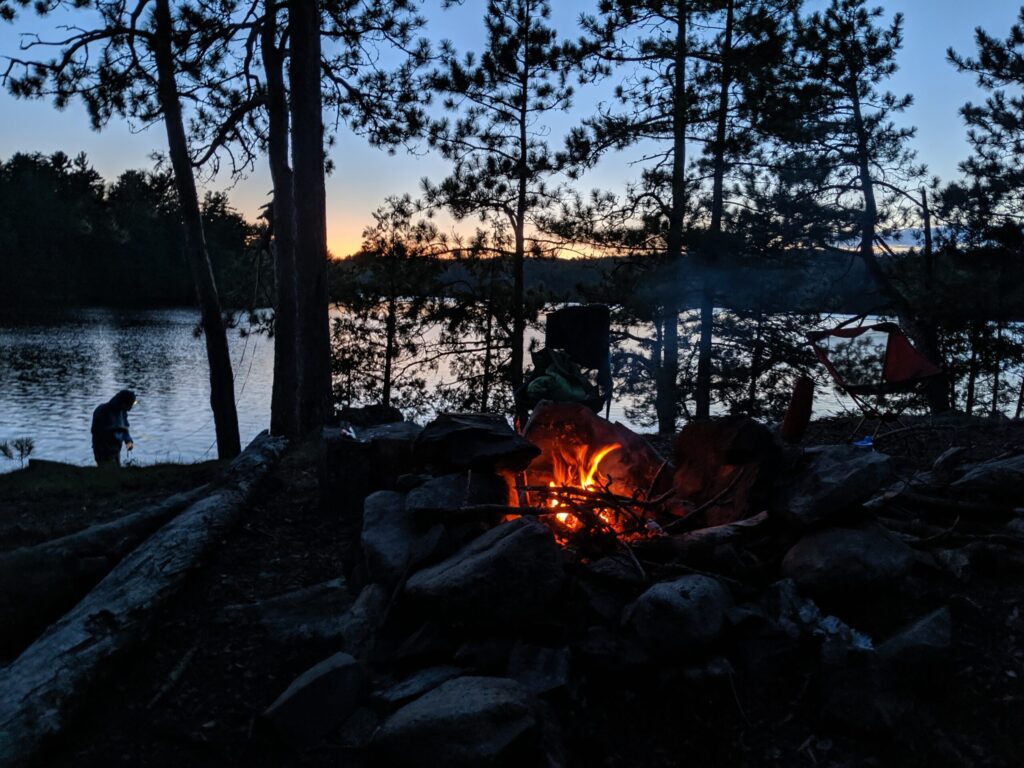
On the third day we started our paddle back. Up to this point we had the wind at our back and the paddling was easy. This and following days we were paddling against the wind. We made our way back to the last portage we did the day before and crossed back over to This Man Lake. We paddled about three quarters of the way down This Man Lake to our third camp of the trip.
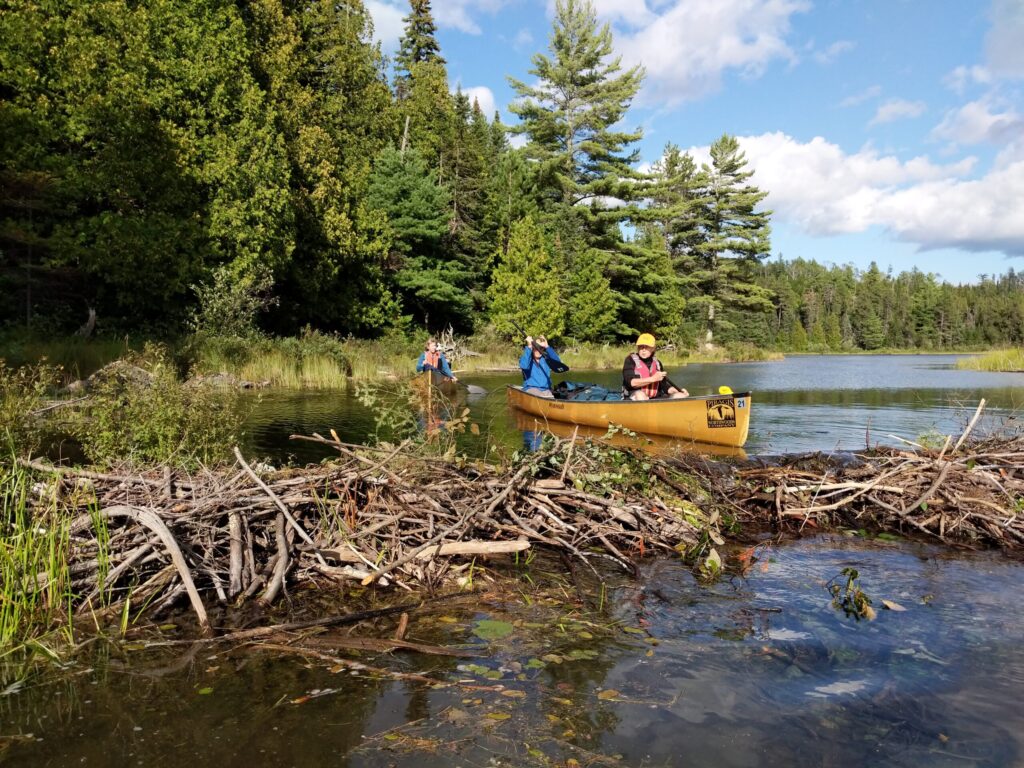
Day four had us paddling back the rest of the length of This Man Lake, portaged to No Man Lake, then portaged to That Man Lake. Linda wanted to change things up so we portaged over to an un-named lake then a portage over to Emerald Lake where we paddled SW to a big beaver dam where we had to get out and and drag the canoes across the dam. I 'believe' when we crossed the dam we were then on Carp Lake. Its all pretty confusing really. So glad I have a track of the trip to refer to (thank you Bill). Shortly after crossing over the dam, we found a good campsite for the night.
On day five we paddled Carp Lake back to the portage we did on day one and crossed over to Birch Lake. We found camp on a small island which, in hind sight may have been a mistake. Being on such a tiny island, there was no where for people to go find and dig a proper cat hole. Because of this, there were toilet paper 'blooms' all over the place and it was a pretty crappy situation, figuratively. While we were there, the girls in our group, Wendy and Nancy patroled the whole island and cleaned it up. Amazing women.

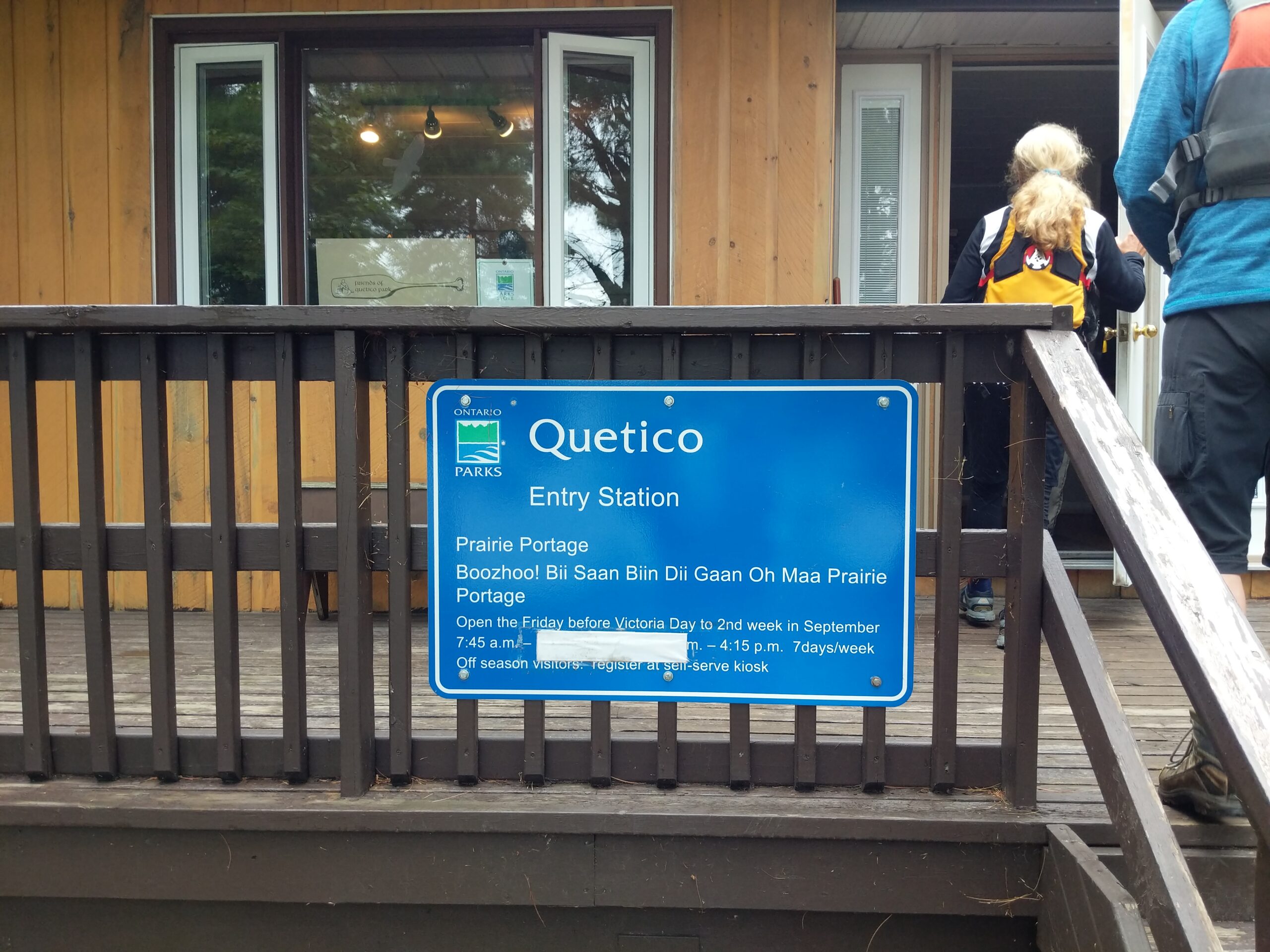
On day six, our last day, we paddled back to the border crossing at the Prairie Portage ranger station. We talked to the Canadian border agent and let him know about the situation on the island. He was very thankful. We checked out of Canada and got back to paddling. Birch Lake turns into Sucker Lake, then Newfound Lake before going around the corner to Moose Lake. Before we knew it, we were back to the boat launch and the trip was over.
A few details I left out of the story.
- It rained on us every day. Not all day, but the rain was fairly consistent and we were wet a good portion of our time out there. Good rain gear and a large tarp I brought for camp was key to making what could have been a miserable trip, enjoyable. Sorry to say, I'm a rain magnet.
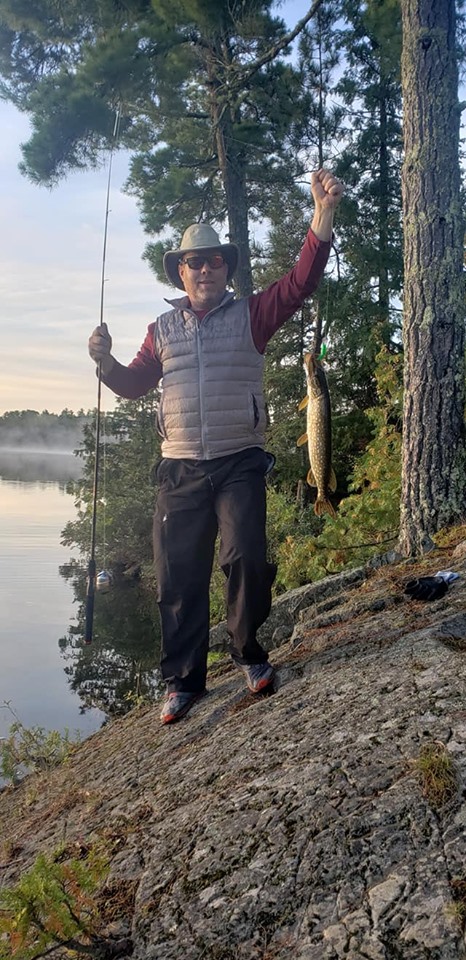
- Because of the rain, I didn't really fish very much, even though I brought a pole and a good selection of tackle. But I did fish and caught a few. If I ever go back, fishing is going to be a priority.
- Paddling is hard work. Especially paddling against the wind. The last few days were pretty strenuous.
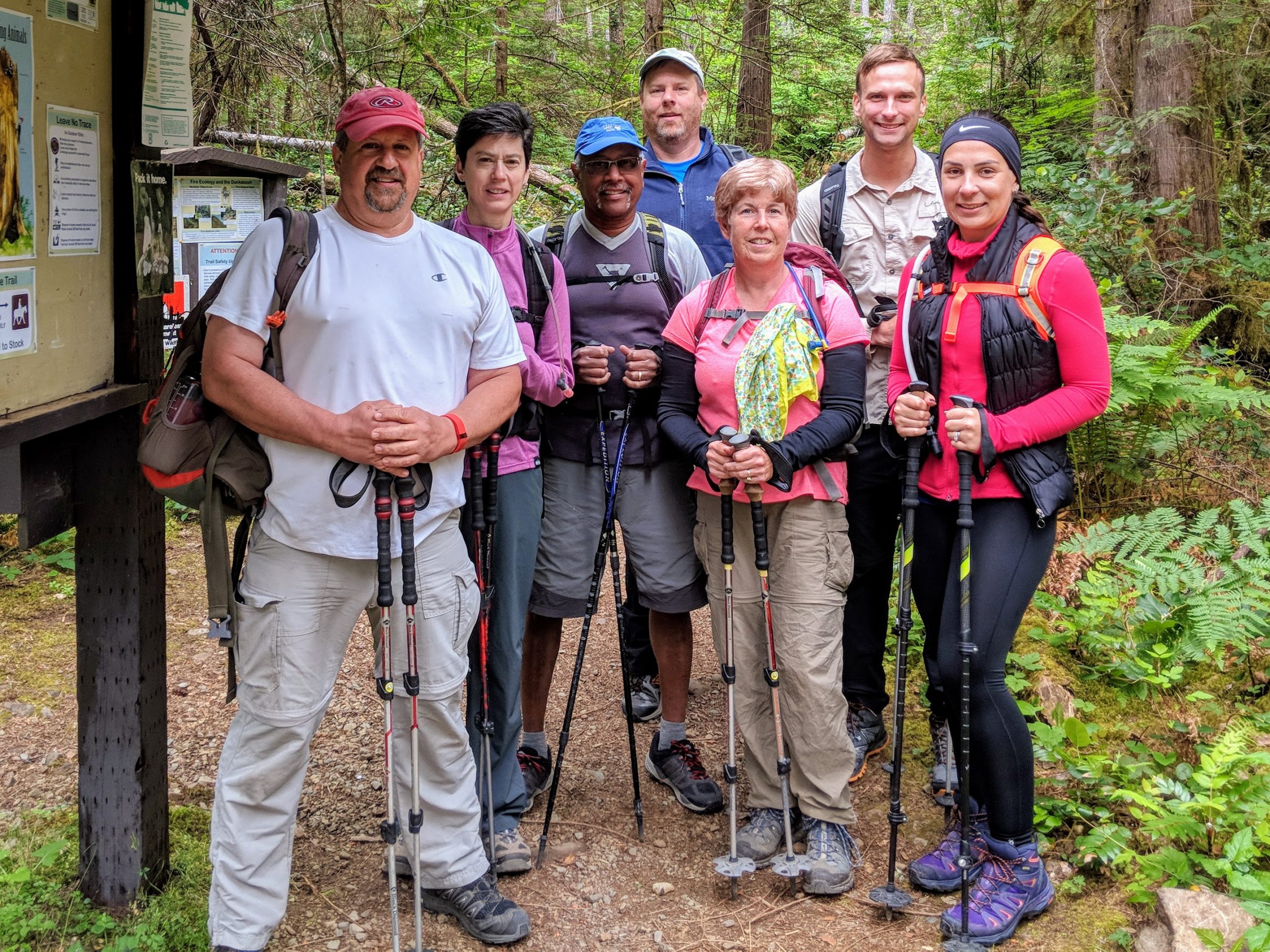
- My paddling companions were amazing. Bill, Suzy, Wendy, Nancy, you guys were awesome. And can't forget Linda for putting the trip together.
- I only mention paddling and portages but portages have their own lingo such as 'how many rods' long a portage is. A rod is approximately 16.5 feet. A mile is 320 rods. I can't really remember how many rods our portages were but I want to say our longest was between 100-150 rods.
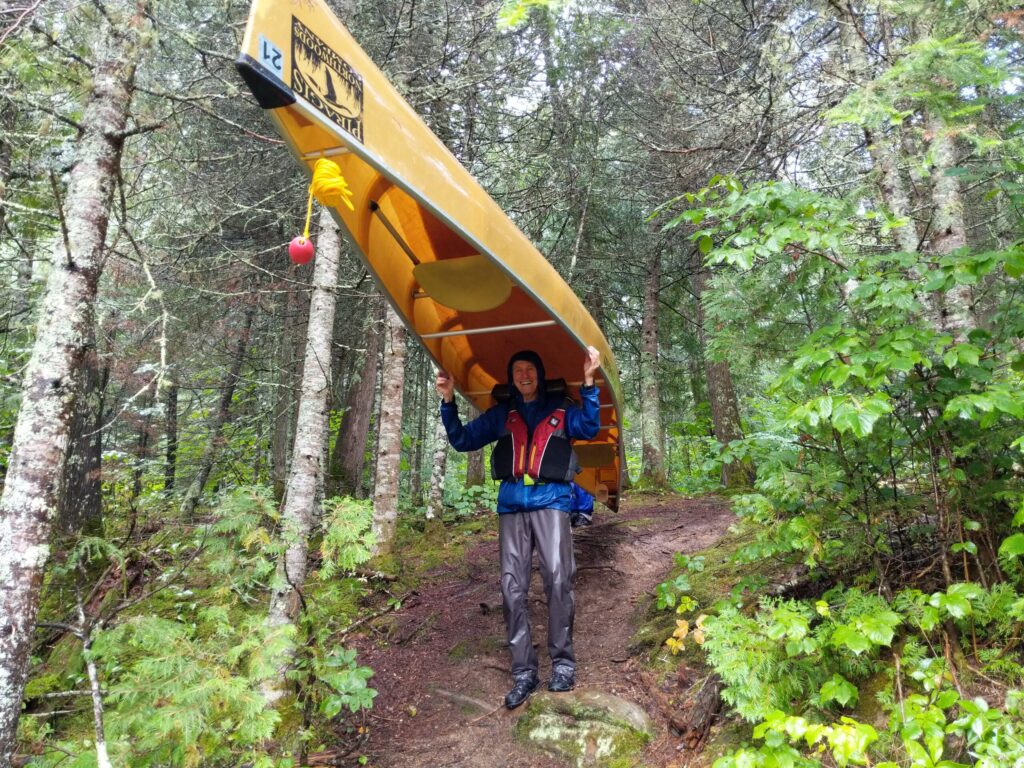
- A portage means not only carrying your canoe on your shoulders over uneven terrain, but it also required doubling back to get your gear.
- I left out a bunch of logistical stuff like how the girls all drove to Minnesota while Bill and I flew.
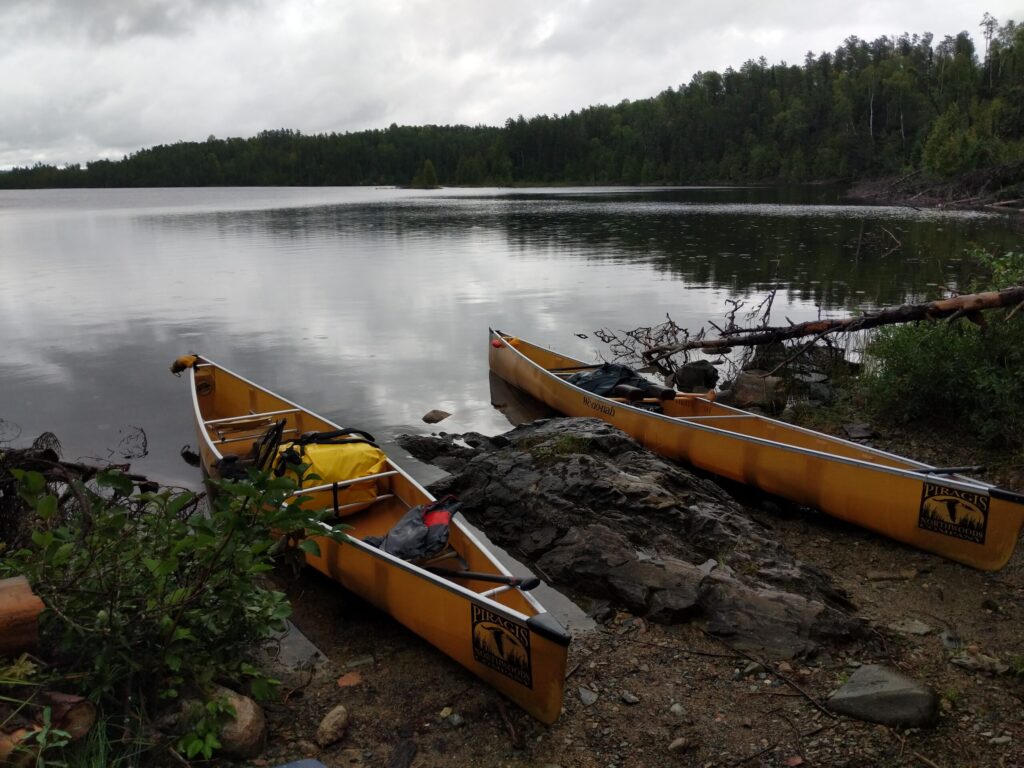
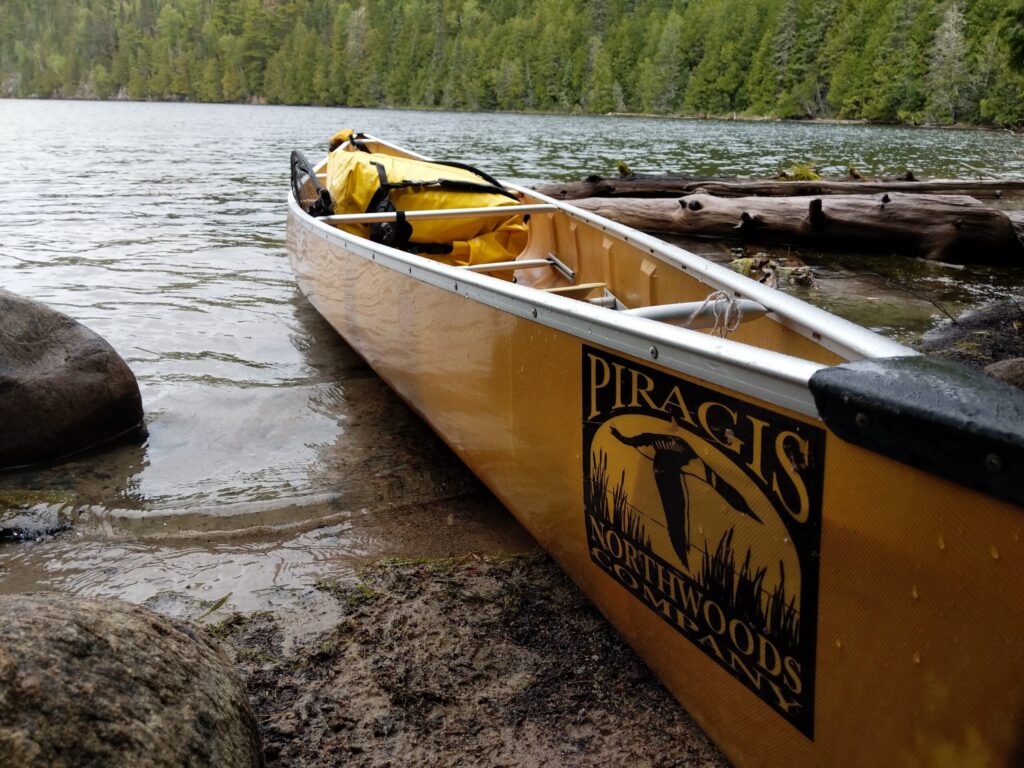
- I left out how we rented everything from Piragis Northwoods Company in Ely Minnesota. Canoes, paddles, and waterproof packs. Also bought some choice lures recommended for the type of fishing I'd encounter from Piragis.
- I lost a favorite hat of mine when a wind came up and blew my hat right off my head. Sank in the lake like a stone.
- I've hiked and traveled extensively and the Quetico wilderness felt as wild, if not more so, than any place I've ever been.